How I’m engineering a successful first week in my new docs role.
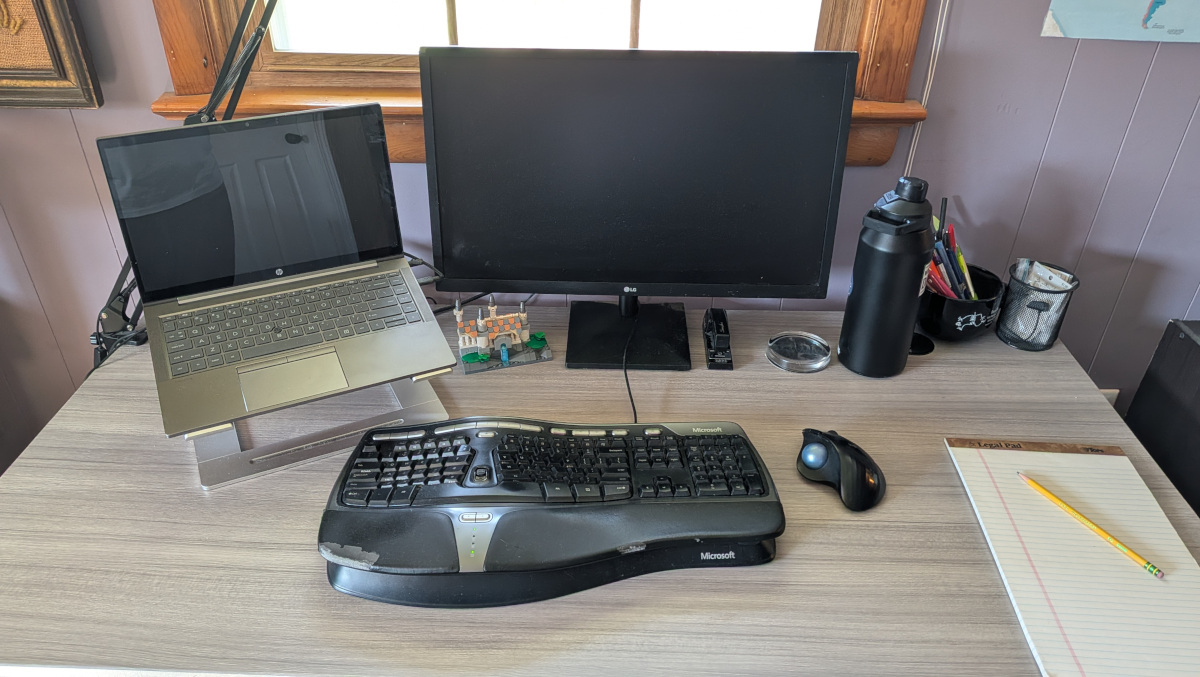
My desk, newly cleaned and ready for new things.
The gap between signing a job offer and your official start date is a unique kind of limbo. The “open source” part of my brain wanted to start coding (or in my case, PRing docs) immediately. My previous post, though, was about the strategic necessity of a total mental disconnect.
I spent the last week mostly offline, and I don’t regret it. I didn’t research. I didn’t learn the new docs toolchain (despite intense interest in doing so). I didn’t try to install the new software (though I did that as part of interview prep).
Prep Day
Today, however, is Prep Day.
Tomorrow, I start as a Senior Technical Writer for a company in the K8s space. (I’ll announce the where very soon!)
I don’t want to walk into Day One and feel immediately overwhelmed by the initial deluge of information. My goal is to come in proactive, not reactive.
Here is how I am systematically setting myself up to hit the ground running, moving from total rest to focused engagement.
The Mental “Defrag” (Housekeeping)
System engineers know that background processes can kill performance. Humans are the same. I spent my morning crossing off the nagging personal chores that had been running in the background during my job hunt.
I’m talking about the “life maintenance” tasks that are easy to ignore but collectively add noise. (Getting the car serviced, filing taxes, organizing the garage, deep cleaning some rooms). A clear headspace is my most important asset for learning a complex new architecture.
Deep-Cleaning the Work Environment (My Office)
I believe your environment reflects your code (or your docs). I spent several hours deep-cleaning and reorganizing my workspace.
I cleared physical clutter.
I reorganized my desk and filed the piles that had gathered.
I refreshed my legal pad and sharpened the pencil.
I even gave my personal laptop a thorough digital cleaning (organizing files, purging emails, clearing the cache, and sorting through my password manager). Not critical, as I’ll have a company-provided laptop arriving this afternoon, but a good fresh start even there.
This isn’t about superstition; it’s about eliminating friction. When I sit down tomorrow, I don’t want to be hunting for a pen or annoyed by a pile of dust. I want a frictionless start to my deep work.
Reviewing the Legacy Documentation (The “Golden Path” Pre-Check)
The most important part of my day is getting a strategic (but non-invasive) jump start. I’m not logging into internal servers or looking at private repos. I’m not drafting any PRs. Instead, I’m looking at what my users see.
Looking Ahead
The work I’m doing today isn’t about being productive for the company (yet). It’s about ensuring I can be a highly effective collaborator from day one.
When I log in tomorrow, I won’t be thinking about my messy desk or a broken CI pipeline.
I’ll be ready to:
- Meet the humans behind the software.
- Master the new Kubernetes ecosystem I’ll be documenting.
- Collaborate on building a “Golden Path” onboarding experience, ensuring that every new user has a successful install and deployment experience.
A successful first week isn’t an accident. It’s a system you architect.